
Confused about “reheat” in your grow room? Learn why efficient dehumidification matters, how Quest’s purpose-built systems outperform retrofitted A/C units, and what smart growers are doing to cut energy costs while protecting yields.
Growing Cannabis
Get ahead of changes in regulation. Learn how commercial dehumidification can yield pesticide-free cannabis through controlled growing. Eliminate cannabis mold, track growing temperatures and CO2 to produce more, higher quality plants.


In ‘Beyond Cannabis,’ Quest Climate’s Walt Waetjen shares how his journey from modest beginnings to Director of Product Development has driven him to leverage cutting-edge dehumidification technology to transform indoor agriculture, improve urban food access, and help combat food scarcity in cities.
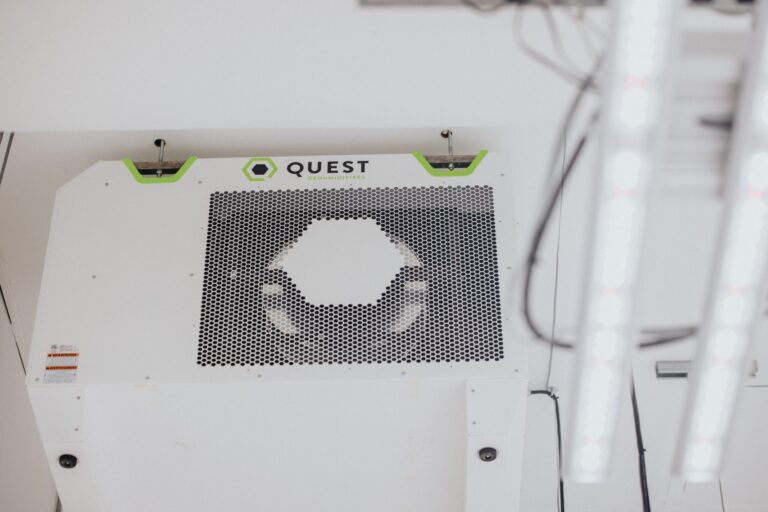
If your grow rooms fight humidity, the cause is often not the hardware; it’s how it’s installed and staged.
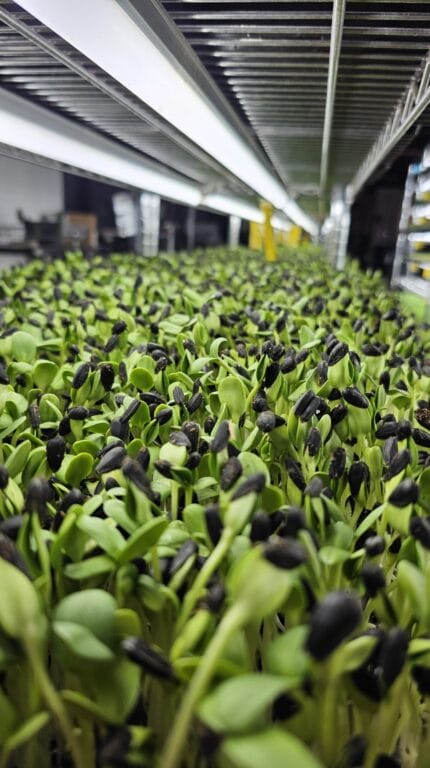
From a damp garage to a climate-stable loft, Pinky’s Micros highlights the journey of scaling a microgreens business. By prioritizing proper sealing and investing in high-efficiency Quest dehumidifiers, Jacob Pinkston eliminated crop loss and established a year-round operation. Discover essential lessons on climate control, equipment sizing, and scaling your own indoor growing enterprise effectively.
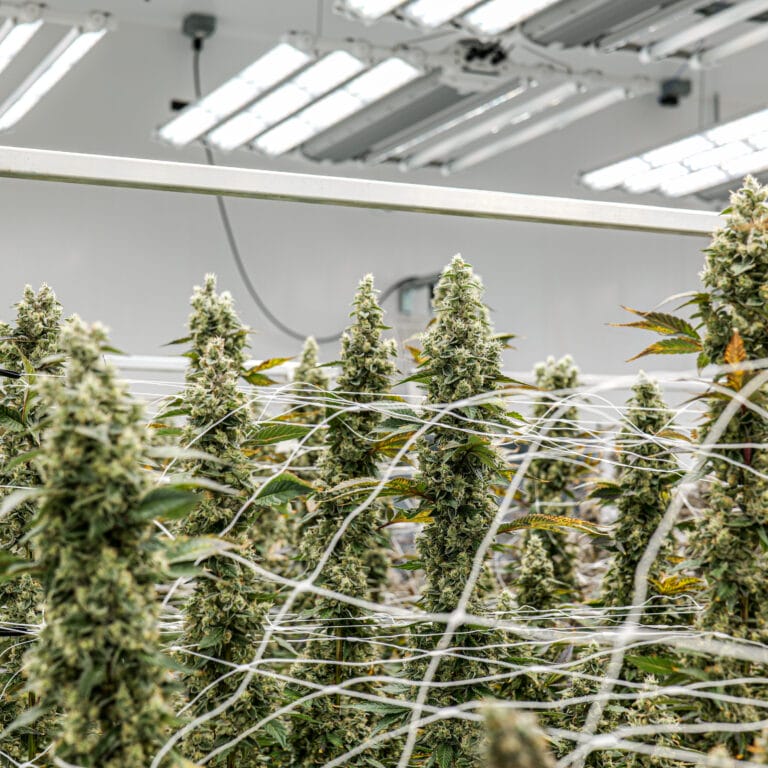
To maintain tightly controlled relative humidity in an indoor grow, Quest Climate explains why a layered RH control strategy—using multiple dehumidification tools that work in sync rather than a single oversized unit—helps manage rapid humidity swings, protect crop quality, and boost yields throughout the grow cycle.

Data Driven Growing: How Endless Cultivation Maximizes Yields with Precision Humidity Control
March 24, 2025
Endless Cultivation routinely pulls 100–150 grams per square foot, doubling or tripling industry averages.
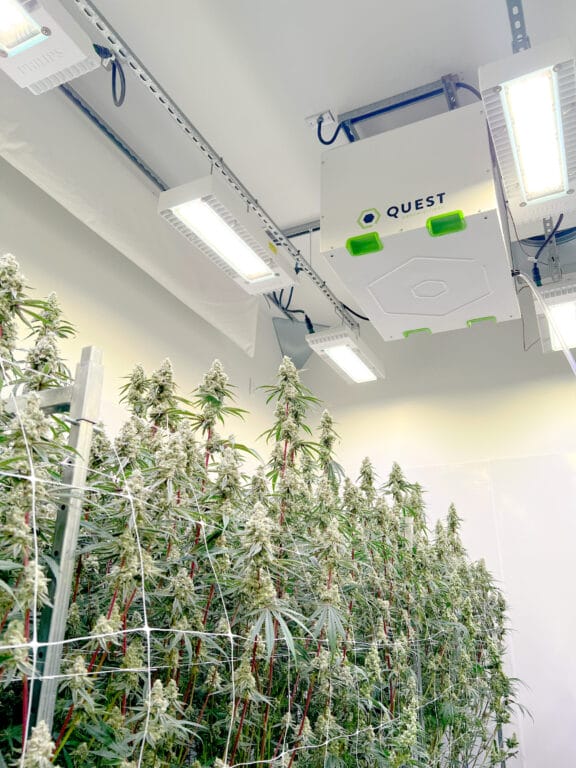
Dehumidification 101 for Cannabis Growers
February 25, 2025
Cannabis is one thirsty plant, and it sweats, too. A lot.
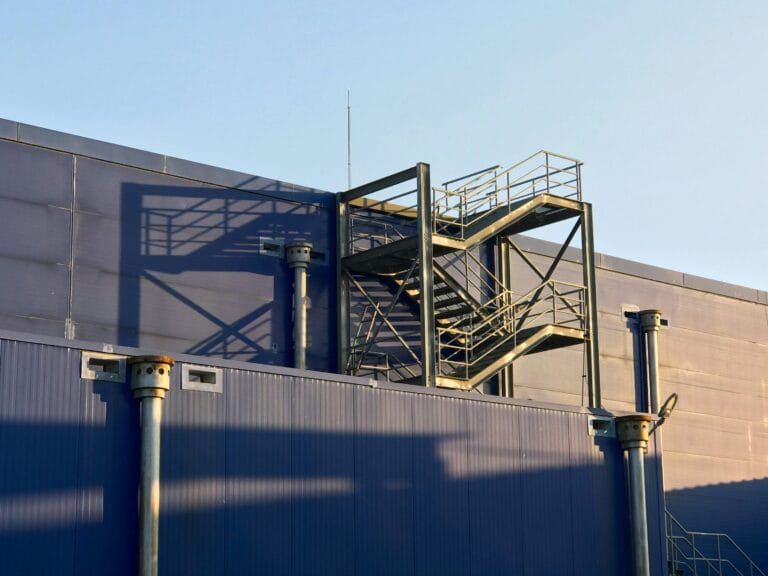
Municipal wastewater treatment demands proper humidity control to preserve infrastructure and meet environmental regulations.

The culprit? Excess humidity and poor airflow allow fungal spores to flourish, especially in dense late-flower buds.

Reheat vs. Dedicated Dehumidification: The Real ROI for Cannabis Growers
February 26, 2025
Want to maximize your ROI in these tight market conditions? Let us show you the way.

Quest Climate and Hydrofarm Partner
September 20, 2024
Quest Climate and Hydrofarm have announced a strategic partnership to enhance the Controlled Environment Agriculture industry. By combining their expertise in climate control and hydroponics, both companies aim to boost productivity and efficiency for indoor growers. Quest’s full product line is now available through Hydrofarm’s national distribution network to support cultivators across the country.
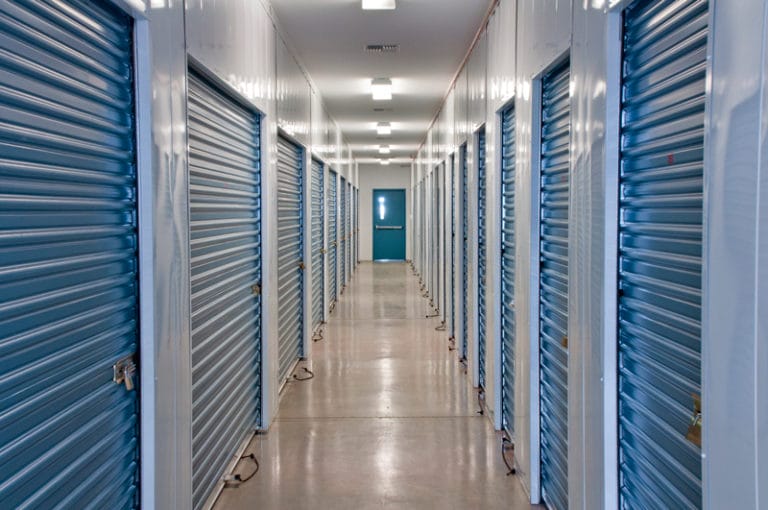
Protecting your clients' assets requires more than just security cameras and locks. Moisture is a silent threat that can cause devastating mold and mildew damage. To maintain a successful self-storage facility, you need a robust climate control strategy. Download our comprehensive maintenance checklist to learn how to manage humidity and keep your business thriving.
Quest Announces New Partnership with BFG Supply
December 13, 2023
Quest Climate is excited to announce a new strategic partnership with BFG Supply beginning in 2024. This collaboration unites Quest’s high-performance dehumidification technology with BFG’s extensive distribution network to offer superior environmental control solutions. Together, both companies aim to empower indoor growers with improved product accessibility, expert support, and enhanced educational resources for cultivation success.
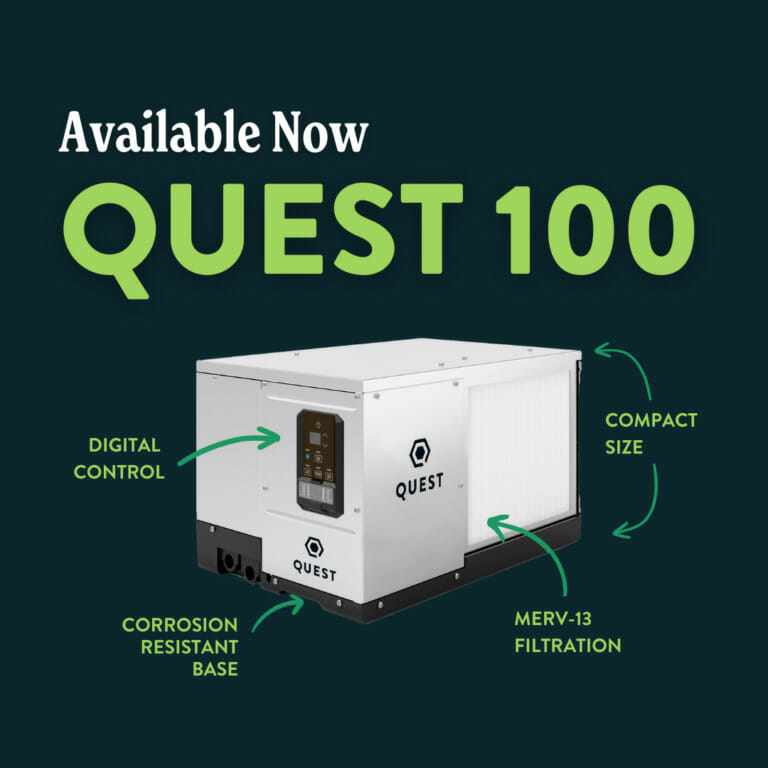
Quest Climate introduces the new Quest 100, a compact 100-pint dehumidifier designed specifically for smaller grow rooms and hobbyist cultivators. Featuring patented M-CoRR® technology and MERV-13 filtration, this energy-efficient unit brings professional-grade environmental control to smaller projects without compromising on performance. Experience superior moisture management in a convenient, space-saving design perfect for your next cultivation success.

VPD: A focus on flowering
April 26, 2023
Vapor Pressure Deficit is a critical tool for cannabis cultivators. By managing transpiration, humidity, and temperature, you can significantly enhance flower color, aroma, and resin production during the bloom cycle. Understanding the ideal VPD ranges for late flowering stages allows you to dial in plant growth and produce superior, competitive harvests every time.

quest video library
August 29, 2022
Access our extensive video library to get the most out of your Quest dehumidifiers. From quick maintenance tips and step-by-step repair guides to expert insights on HVAC engineering and system efficiency, our collection provides everything you need to keep your equipment running smoothly and efficiently. Explore our full range of professional training videos right here.

Understanding dehumidifier performance curves is essential for accurately sizing your grow room humidity control. While many manufacturers rely on standard AHAM testing, these metrics often fail to reflect the realities of lights-off conditions. Learn how to use performance curves to ensure your dehumidification setup protects your crop throughout every stage of growth.
Special Report: Humidity and Climate Control
November 29, 2021
In this updated special report, we explore the critical connection between climate control and successful cannabis cultivation. Discover how precise humidity management serves as the most effective, pesticide-free method for preventing pests and disease. This research-backed guide includes industry survey trends, insights on vapor pressure deficit, and expert advice for maintaining consistent, high-quality crop production.
Water treatment plant problems
June 6, 2022
Excessive humidity in water treatment plants causes dangerous pipe sweating and costly corrosion. Learn how the Adams County Regional Water District solved its condensation issues by implementing professional dehumidification systems. Discover why Midwest plants face unique moisture challenges and how controlling humidity levels protects infrastructure, reduces maintenance labor, and saves significant annual facility budgets.
Dirty filters and static pressure often cause commercial dehumidifiers to lose performance, leading to unwanted humidity fluctuations. Quest engineers solved this by integrating a pressure switch with a variable speed fan in the new Quest 335. This system automatically adjusts airflow to ensure consistent, precise humidity control despite clogged filters or complex ductwork.
Quest 335: An Inside Look at the World’s Most Efficient Dehumidifier
October 18, 2021
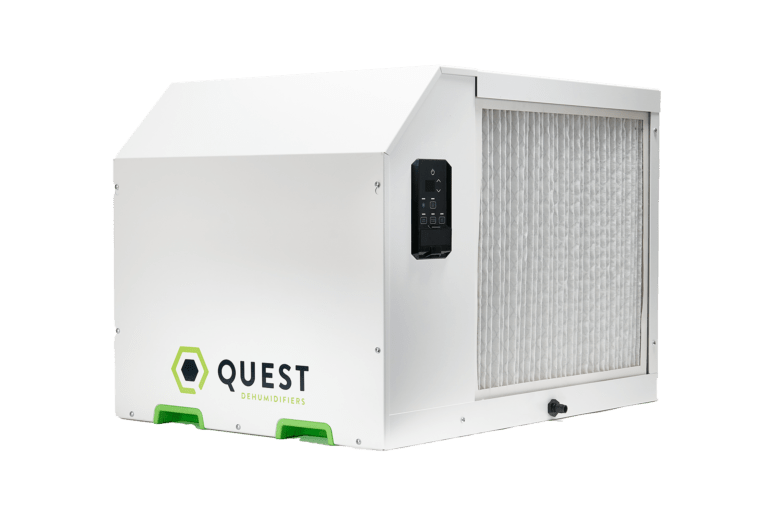
Discover the Quest 335, the world’s most efficient dehumidifier. Engineered with innovative multi-coil technology and a variable speed fan, this unit optimizes performance even under static pressure. Learn how our latest release removes 335 pints of water daily while slashing operational costs for cultivators and facility managers by thousands of dollars over five years.
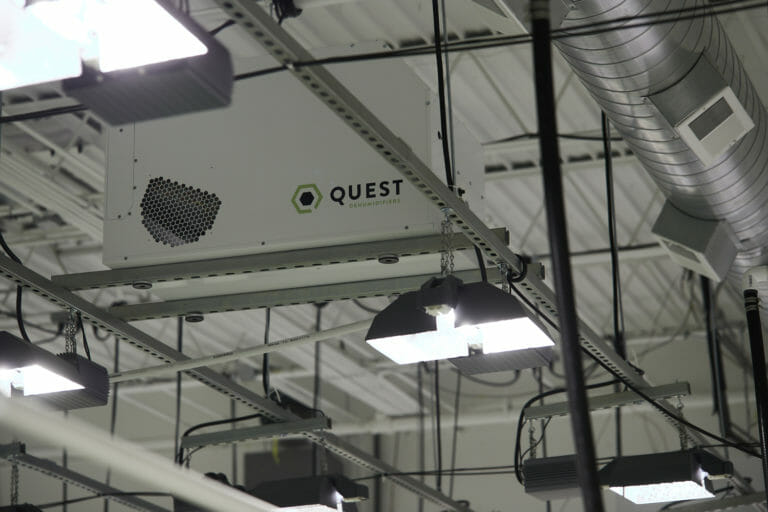
Climate control is critical for cannabis cultivators, but dirty filters and improper ductwork often hinder commercial dehumidifier performance. Clogged filters restrict airflow, while poor duct design increases static pressure, leading to humidity fluctuations. Learn how to optimize your setup through regular maintenance and smart engineering to ensure a consistent and successful growing environment.

Taking Control of Your Space
September 30, 2021
Indoor cannabis cultivation requires more than just bricks and mortar to ensure consistent, high-yield crops. Growers must implement sophisticated environmental controls to manage humidity, temperature, and external contaminants. By leveraging data-driven strategies and advanced dehumidification technology, facilities like Nimbus Cannabis are optimizing their space, maximizing canopy size, and maintaining strict product quality standards.
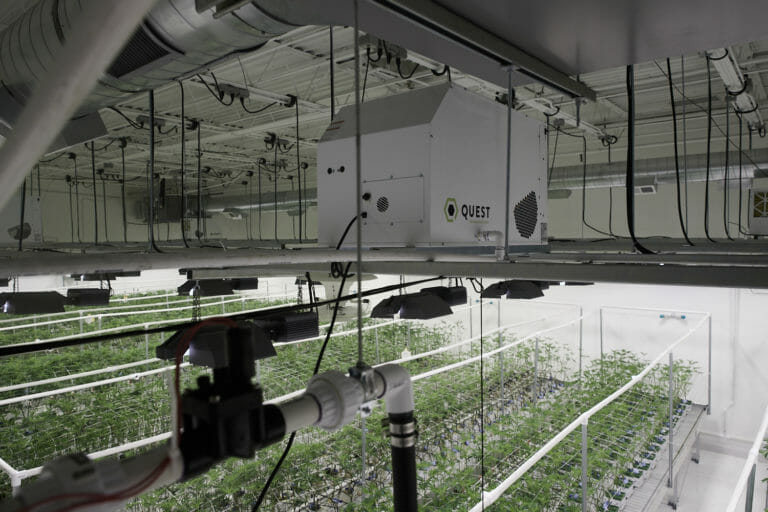
Grow room dehumidifiers: Perfect your setup
April 16, 2018
When the team at East Coast Cultivation set out to build its new indoor grow operation in Rhode Island, it knew it had to nail one thing: environmental controls.