
Powdery Mildew

Powdery mildew is a threat to your yields and the quality of your cannabis crop. The good newsβ€”it is an avoidable fungal disease. Learn how to combat powdery mildew and protect your crop.

Vibrant green seedlings with glossy leaves growing in black plastic trays filled with soil.

Q&A: Avoiding Powdery Mildew Before it Strikes

Powdery mildew is a common and destructive fungal disease in cannabis growing, but it is entirely avoidable. We sat down with industry expert Melaney Watson to learn why proper dehumidification and environmental control are the most effective ways to prevent an outbreak before your crop faces potential ruin. Start planning for success today.
Read the article
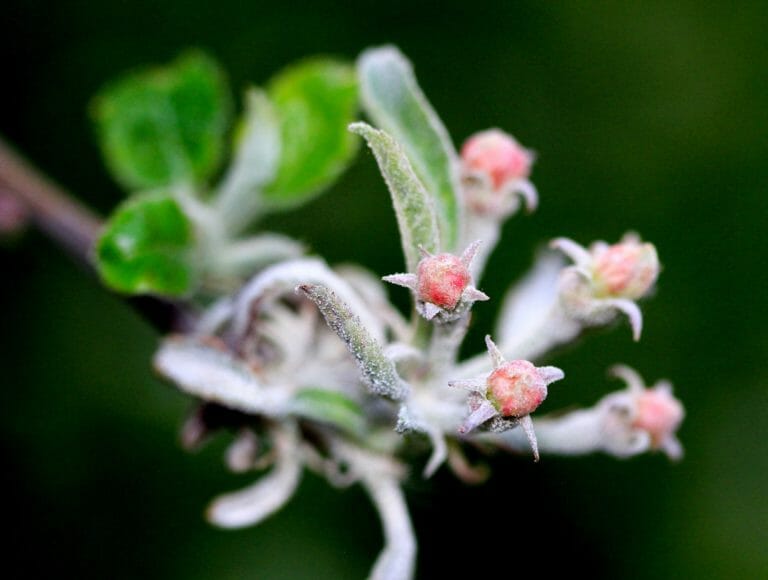
Delicate pink flower buds surrounded by green leaves on a slender branch, set against a dark background.

Powdery Mildew and Fungicides Part 3: Plant Breeding

Explore how plant breeding serves as a long-term strategy for combating powdery mildew. By selecting for genetic resistance, growers can develop plants with reinforced cell walls that deter fungal penetration. This post also dives into the advanced lifecycle of powdery mildew, examining how spores germinate, spread, and evolve to survive your best eradication efforts.

Read the article
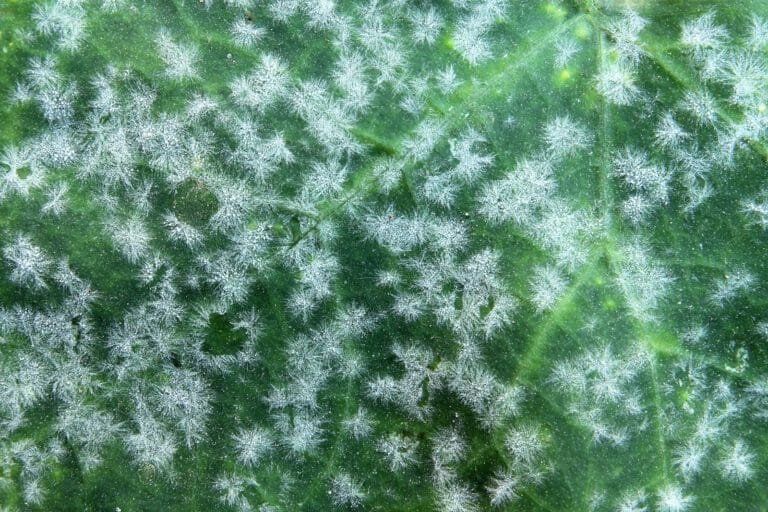
Close-up of a green leaf surface covered with white, fluffy fungal growths, creating a textured pattern.

Powdery Mildew and Fungicides Part 2: Treatment Options

Managing powdery mildew requires effective treatment options ranging from inorganic chemicals to organic solutions. Explore the benefits of potassium bicarbonate, sulfur vaporization, and various oils like neem or coriander. Whether using hydrogen peroxide or milk dilutions, understanding the specific mechanisms behind these fungicides can help you protect your plants from persistent fungal infections efficiently.

Read the article
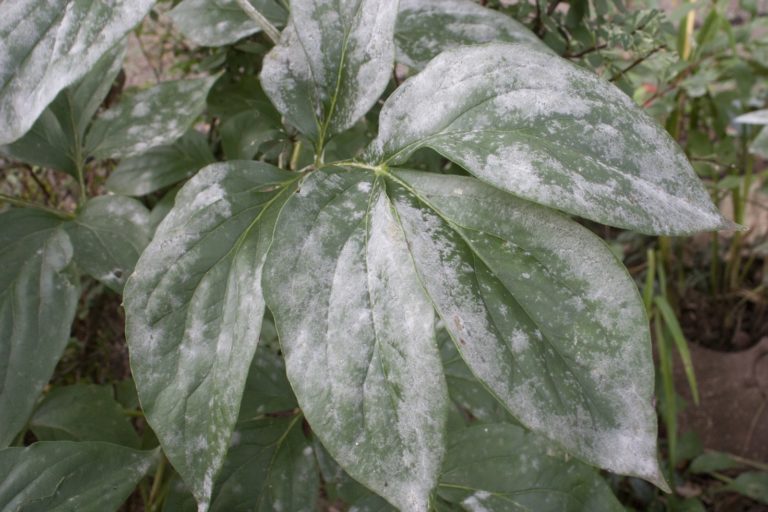
Green leaves covered with a white powdery mildew, surrounded by other foliage in a garden setting.

Powdery Mildew and Fungicides: Part 1: Background

Powdery mildew is a common fungal disease caused by the Erysiphaceae family. As an ectoparasite, this fungus grows on the surface rather than inside plant tissue. While not systemic, it spreads rapidly through spores, stunted growth, and high humidity. Learn the fundamentals of identifying, managing, and preventing this persistent plant pathogen in your garden.

Read the article
A man in a light blue shirt stands beside a white industrial machine labeled "QUEST" in a busy warehouse setting.

One Way Not to Spray: Keep Dry

Quest Dehumidifiers is launching an educational initiative to help cannabis growers understand the link between humidity control and plant health. By managing moisture levels more effectively, cultivators can prevent devastating molds and fungus, potentially reducing the industry demand for pesticides and ensuring a cleaner, safer final product for consumers in a growing market.

Read the article
humidity condensing on a leaf

Water Vapor in Grow Rooms: Moisture, and How to Measure It – Part I: Relative Humidity

Plants require specific humidity levels to thrive during every stage of growth. In this guide, we define relative humidity, explain why temperature impacts moisture levels, and outline the optimal percentages for your grow room. Learn how monitoring this vital metric can help you avoid plant stress, prevent powdery mildew, and maximize your overall harvest yields.

Read the article

Control Humidity to Best Fight Powdery Mildew

Powdery mildew thrives in high moisture environments, posing a major threat to crops. Instead of relying on pesticides, focus on environmental control. By maintaining relative humidity at 50 percent or lower, you can prevent mold at the source. Properly sizing a commercial-grade dehumidifier to match your plant transpiration rates is the most effective defense.

Read the article
Quest 110 Dual dehumidifier mounted in a warehouse, with reflective panels and lighting fixtures surrounding it.

For Robust Plant Growth Maintain Proper Humidity Levels

Proper humidity levels are essential for healthy plant growth and high yields. When air is too dry, plants may suffer from nutrient burn, while excessive moisture encourages mold and fungal infections. Discover the ideal relative humidity ranges for every stage of your garden, from seedlings to flowering, to ensure your plants thrive throughout their lifecycle.

Read the article
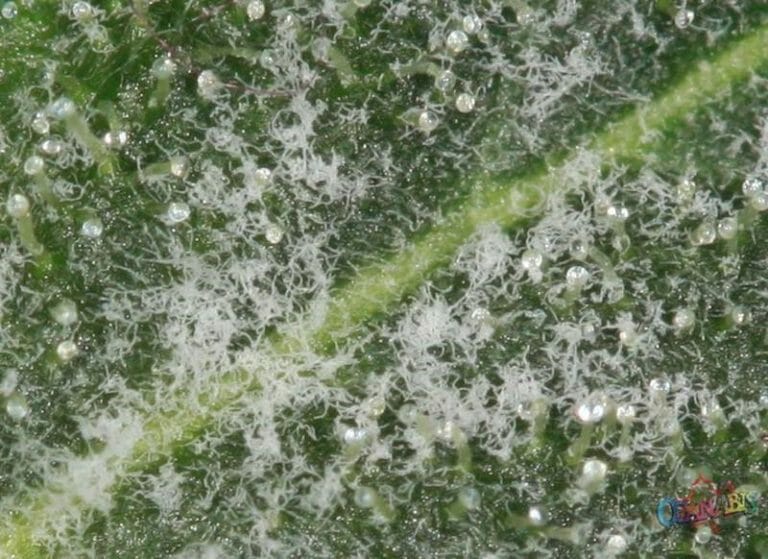
Close-up of a green leaf covered in tiny, white, thread-like structures and droplets of moisture.

The Scourge of Powdery Mildew: Prevention Is Best

Powdery mildew is a gardener's nightmare that is difficult to eradicate once established. The most effective way to protect your harvest is through proactive prevention. By controlling your grow room humidity, ensuring proper air filtration, and managing your plant spacing, you can maintain a clean environment and stop fungal spores before they begin to spread.

Read the article
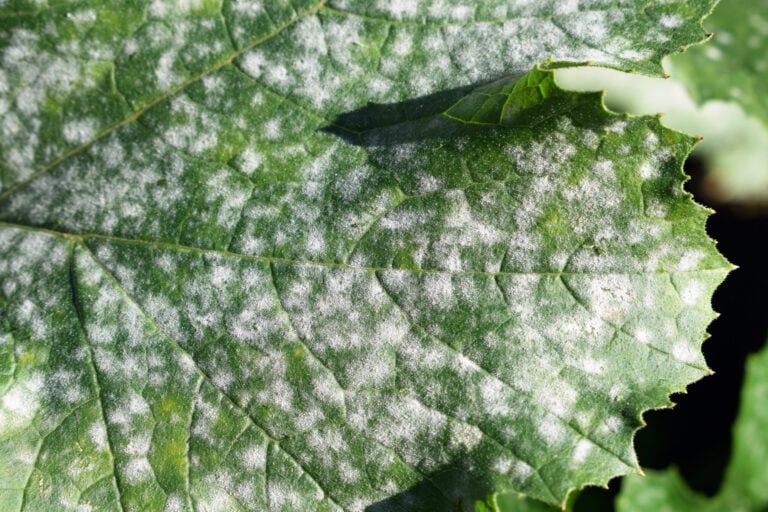
Close-up of a green cabbage leaf showing texture, veins, and a light dusting of powdery mildew.

The Scourge of Powdery Mildew: How Do You Treat It Once It’s Occurred?

Discover effective ways to combat powdery mildew in your garden once it appears. From natural solutions like hydrogen peroxide and milk to the importance of environmental control, learn how to manage and prevent WPM infections. While some treatments show promise, maintaining proper relative humidity remains the most reliable strategy for protecting your valuable crops.

Read the article
Close-up of a green leaf covered in tiny, white, thread-like structures and droplets of moisture.

The Scourge of Powdery Mildew: An Overview

Have you noticed mysterious white spots on your plants? This could be powdery mildew, a persistent fungal infection that thrives on leaves and stems. Learn how this condition starts, spreads through airborne spores, and eventually stunts growth. Explore the basics of this common horticultural threat and prepare for our upcoming series on effective treatment and prevention.

Read the article
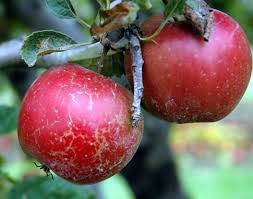
Two bright red apples hanging from a tree branch, surrounded by green leaves.

Look For Powdery Mildew

Powdery mildew thrives in cool, humid environments with poor air circulation. Overcrowding, shading, and improper watering techniques often create the perfect conditions for fungal growth. By controlling nighttime humidity levels and improving airflow, gardeners can prevent these infections. Learn how to manage the environment and protect your plants from this persistent garden disease today.

Read the article

To provide the best experiences, we use technologies like cookies to store and/or access device information. Consenting to these technologies will allow us to process data such as browsing behavior or unique IDs on this site. Not consenting or withdrawing consent, may adversely affect certain features and functions.