
If your grow rooms fight humidity, the cause is often not the hardware; it’s how it’s installed and staged.
High Plant Yield
Improve efficiency, quality and production rates. Produce more with energy efficient growing trends and tips.

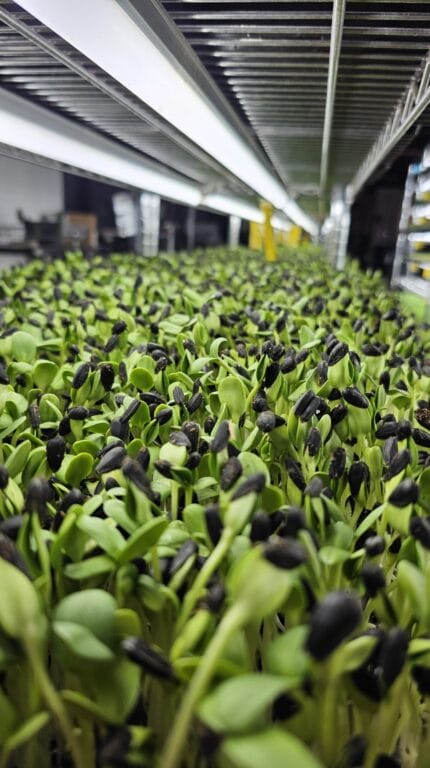
From a damp garage to a climate-stable loft, Pinky’s Micros highlights the journey of scaling a microgreens business. By prioritizing proper sealing and investing in high-efficiency Quest dehumidifiers, Jacob Pinkston eliminated crop loss and established a year-round operation. Discover essential lessons on climate control, equipment sizing, and scaling your own indoor growing enterprise effectively.
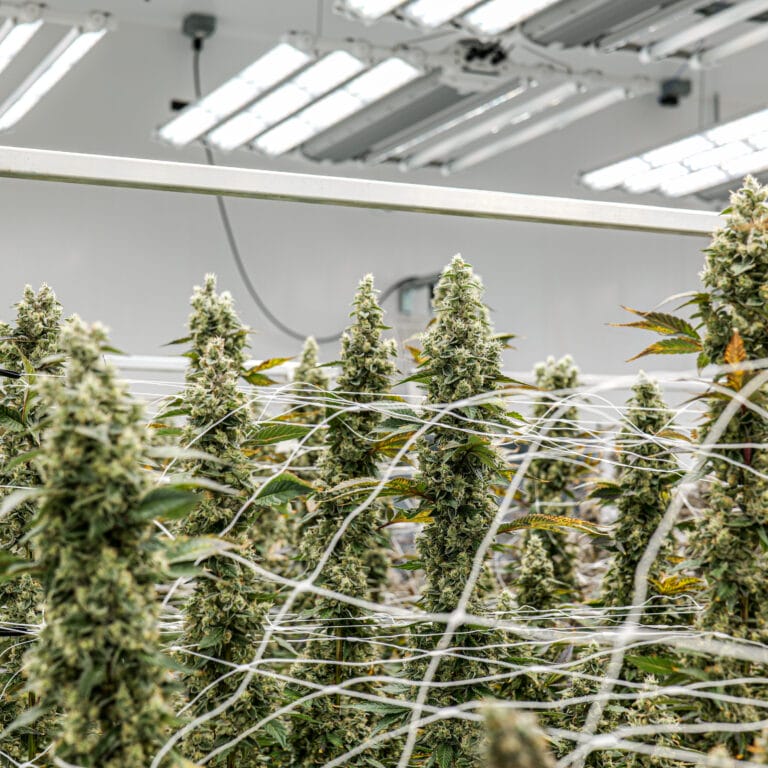
To maintain tightly controlled relative humidity in an indoor grow, Quest Climate explains why a layered RH control strategy—using multiple dehumidification tools that work in sync rather than a single oversized unit—helps manage rapid humidity swings, protect crop quality, and boost yields throughout the grow cycle.
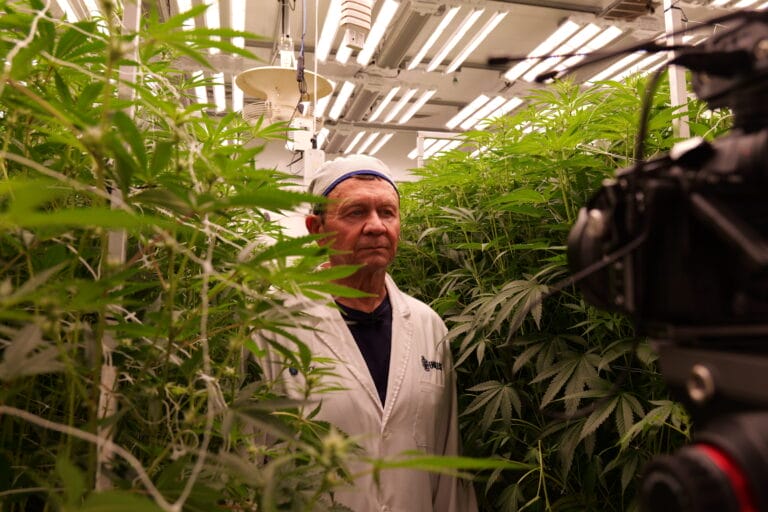
Data Driven Growing: How Endless Cultivation Maximizes Yields with Precision Humidity Control
March 24, 2025
Endless Cultivation routinely pulls 100–150 grams per square foot, doubling or tripling industry averages.
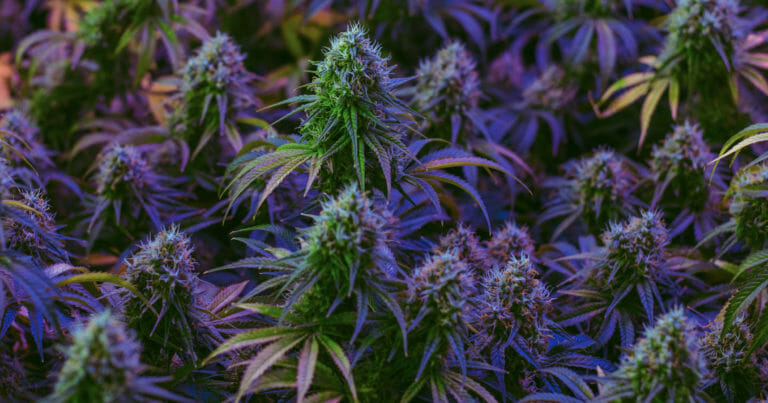
VPD: A focus on flowering
April 26, 2023
Vapor Pressure Deficit is a critical tool for cannabis cultivators. By managing transpiration, humidity, and temperature, you can significantly enhance flower color, aroma, and resin production during the bloom cycle. Understanding the ideal VPD ranges for late flowering stages allows you to dial in plant growth and produce superior, competitive harvests every time.
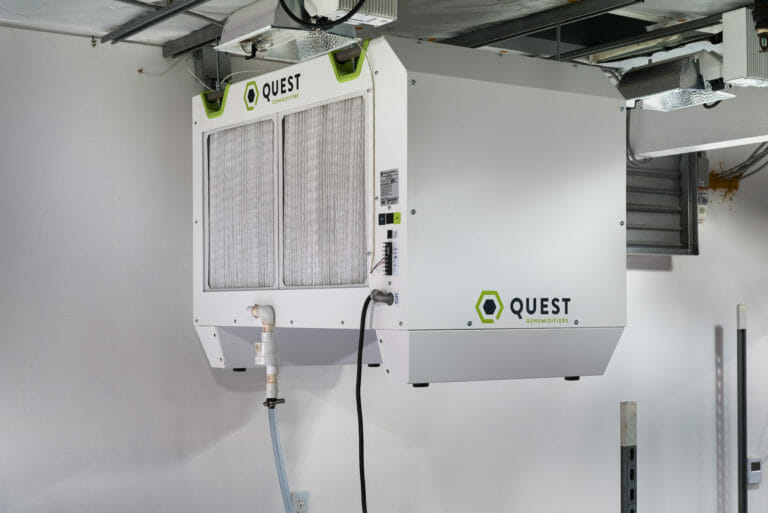
Protecting Your Investment with Energy Efficient Grow Rooms
August 29, 2017
As wholesale prices fluctuate, energy efficiency has become a critical factor for successful growers. With insights from experienced builder and grower Dan Kibbin, we explore how maintaining a tight building envelope and investing in high-quality commercial equipment can reduce overhead costs, manage environmental variables, and ultimately protect your bottom line in a competitive market.
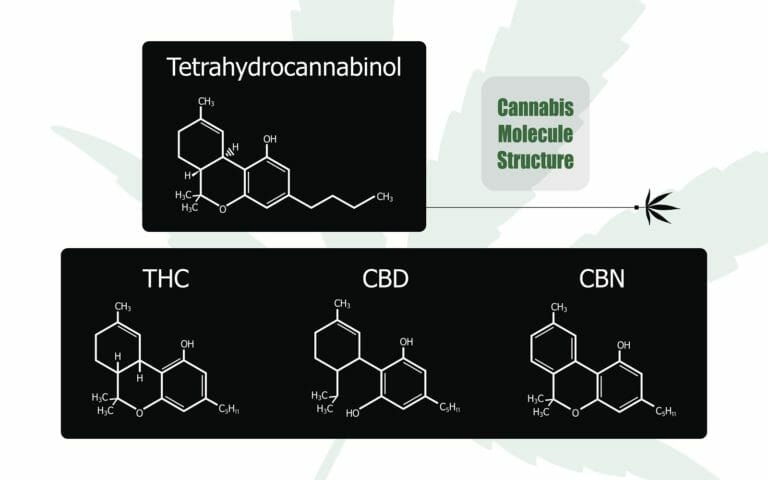
Delve into the science of cannabinoid synthesis in our second installment of this series. Discover how terpenes from plastids and phenols from vacuoles combine to create cannabinoids. We explore the internal machinery of plant cells, including the roles of chloroplasts and leucoplasts, revealing the fundamental biological pathways that drive cannabis development and chemical production.

Ever wonder where cannabinoids actually originate on the cannabis plant? The secret lies deep within the trichomes. In this first part of our series, we explore organelle function, the role of capitate-stalked glands, and how chemical reactions within the secretory cavity shape the potency of your harvest. Discover the science behind cannabinoid production and plant anatomy today.
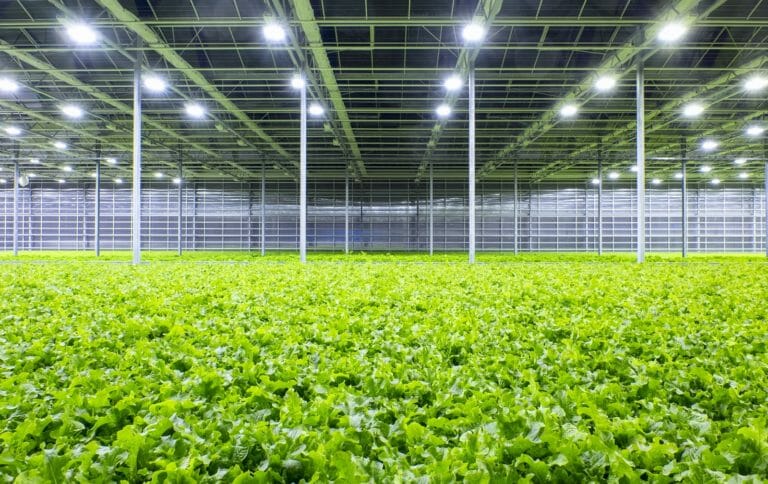
Understanding VPD is essential for fine-tuning your indoor garden. In this third installment, learn how to calculate and maintain optimal vapor pressure deficit levels during both vegetative and flowering growth stages. Discover the precise temperature and humidity combinations intended to reduce plant stress, maximize resin production, and ultimately improve your final crop yields.
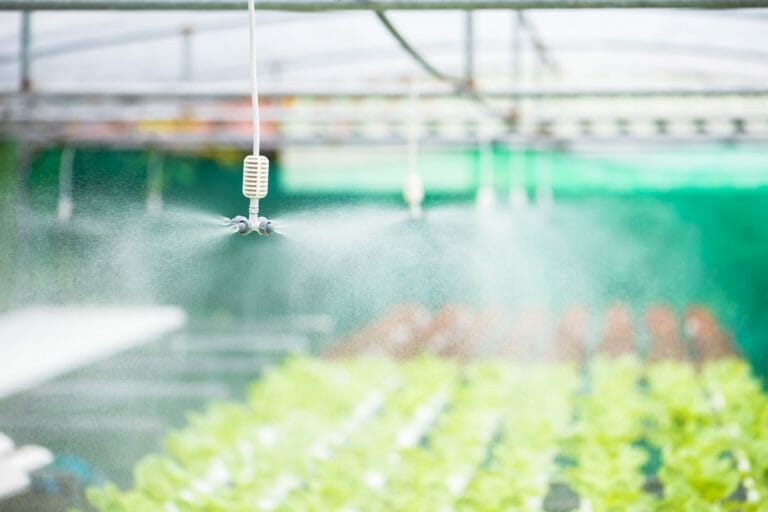
Understanding Vapor Pressure Deficit is essential for any indoor grower. Proper VPD balances transpiration and photosynthesis by managing how plants move water and carbon dioxide through their stomata. When the air is too dry or too moist, growth slows and plants risk nutrient burns or fungal infections. Learn how to optimize your environment today.

Vapor Pressure Deficit is a vital metric for indoor growers, correlating directly to plant transpiration. Unlike relative humidity, which can be misleading, VPD measures the actual pressure difference between the air and the leaf. Understanding this concept allows growers to fine-tune environmental conditions, optimize nutrient transport, and prevent crop wilting effectively.
Discover why professional growers rely on basalt mineral wool for superior hydroponic performance. This unique material offers exceptional water retention and root oxygenation, creating the perfect environment for healthy plants. Learn how to properly prep, handle, and utilize this versatile medium to maximize your yields and ensure stability in your indoor grow room setup.
Dissolved oxygen is essential for thriving hydroponic plants. Root oxygen starvation leads to poor nutrient uptake, stunted growth, and potential crop failure. Learn why oxygen levels between 7 and 10 PPM are critical for success, which aeration methods to avoid, and how combining air stones with stirring pumps provides the best results for your harvest.

Achieving your best harvest starts at the roots. Discover the importance of dissolved oxygen (DO) for your hydroponic plants. Learn how molecular oxygen supports aerobic respiration, essential for nutrient uptake and healthy growth. We explore how water temperature, purity, and proper aeration impact your plants to ensure they thrive rather than suffer from starvation.
Water Vapor in Grow Rooms: Moisture, and How to Measure It Part III: Dew Point Temperature
December 10, 2015
In the third part of our series on grow room humidity, we explore dew point temperature. Unlike relative humidity, which fluctuates with temperature, dew point provides an absolute measure of moisture. Understanding this metric helps you predict condensation, protect your plants from moisture stress, and maintain optimal climate control in your grow room environment.

Water Vapor in Grow Rooms: Moisture, and How to Measure It – Part II: Grains per Pound (GPP)
December 1, 2015
Relative humidity fluctuates with temperature, but Grains per Pound (GPP) provides an absolute measure of moisture in your grow room. By understanding the actual weight of water in the air, you can precisely manage your dehumidification and irrigation needs to provide optimal conditions for your crops. Learn how GPP improves your climate control strategy.
Water Vapor in Grow Rooms: Moisture, and How to Measure It – Part I: Relative Humidity
November 23, 2015
Plants require specific humidity levels to thrive during every stage of growth. In this guide, we define relative humidity, explain why temperature impacts moisture levels, and outline the optimal percentages for your grow room. Learn how monitoring this vital metric can help you avoid plant stress, prevent powdery mildew, and maximize your overall harvest yields.

Maintaining Grow Room Yields During Drought: Part I
October 1, 2015
Drought conditions and water restrictions are impacting grow room profitability across the country. However, limited water supply does not have to mean lower yields. In this post, we explore how managing grow room lights, CO2 supplementation, and dehumidification can help you reduce overall water consumption while maintaining high-quality crop production despite scarce water resources.
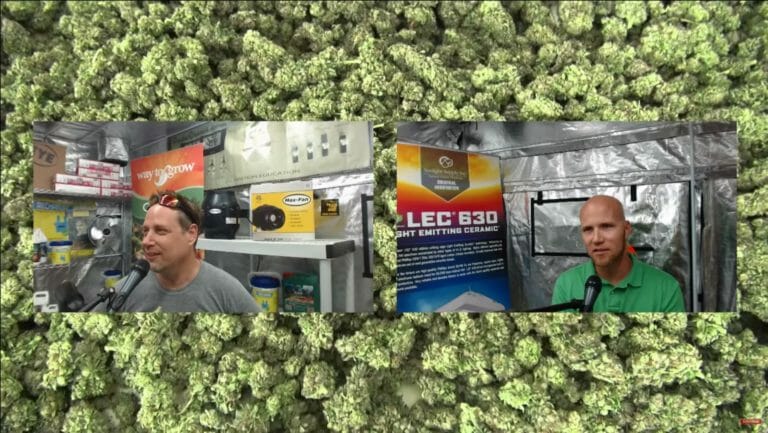
Dude Grows Podcast with Quest
July 28, 2015
Are you using residential dehumidifiers in your grow room? QUEST product manager Clif Tomasini joins the Dude Grows Show to explain why specialized equipment is essential for plant health. Learn about the importance of dehumidifier durability, proper sizing for transpiration rates, and why redundancy is the secret to protecting your crop from pests and mildew.
Carbon Dioxide and Better Indoor Harvests: Part 3
July 7, 2015
In our final installment on indoor CO2 supplementation, we examine why plants need oxygen, not carbon dioxide, during their nighttime respiration cycle. Learn why interrupting darkness stunts growth, why energy digestion is vital for flowering, and how to use dehumidifiers to maintain the perfect grow room environment for your most successful harvest yet.
Carbon Dioxide and Better Indoor Harvests – Part 2
June 29, 2015
Carbon dioxide serves as a vital nutrient that drives photosynthesis and significantly boosts indoor crop yields. By maintaining optimal CO2 levels during daylight hours, growers can accelerate plant development and increase production by up to 40 percent. Learn how to properly manage CO2 enrichment and balance environmental factors to ensure your plants thrive throughout their growth cycle.
Carbon Dioxide and Better Indoor Harvests – Part 1
June 16, 2015
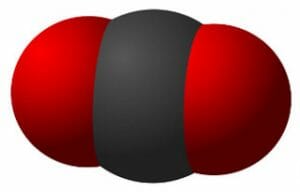
While often viewed negatively in the news, carbon dioxide is actually the fundamental building block for healthy indoor plants. By understanding how photosynthesis works and the role CO2 plays in creating plant mass, you can optimize your grow room environment. Join us as we explore the essential science behind maximizing your harvests with carbon dioxide.
Let There Be Light – the Right Light
May 13, 2015
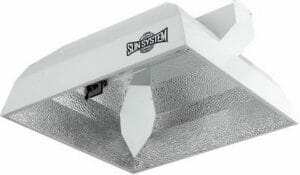
Achieving healthy plants and maximum yields requires mastering your grow room lighting. While HID and CFL lamps were once the standard for indoor gardening, LED technology has become the superior choice. LEDs offer improved energy efficiency, lower heat output, and full-spectrum coverage, eliminating the complex light swapping formerly needed for different plant growth stages.
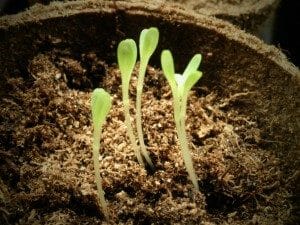
Optimal plant growth depends heavily on maintaining the correct temperature throughout every life stage. From seedlings to flowering, getting the balance right optimizes photosynthesis and metabolism. Learn how to adjust temperatures based on light cycles, carbon dioxide supplementation, and growth phases to ensure your plants stay healthy and produce the highest possible yields.