
Powdery Mildew and Fungicides

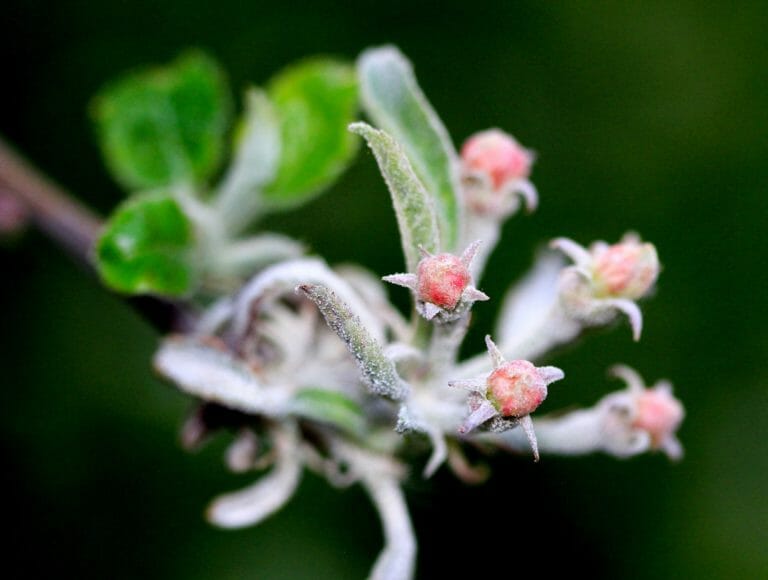
Delicate pink flower buds surrounded by green leaves on a slender branch, set against a dark background.

Powdery Mildew and Fungicides Part 3: Plant Breeding

Explore how plant breeding serves as a long-term strategy for combating powdery mildew. By selecting for genetic resistance, growers can develop plants with reinforced cell walls that deter fungal penetration. This post also dives into the advanced lifecycle of powdery mildew, examining how spores germinate, spread, and evolve to survive your best eradication efforts.
Read the article
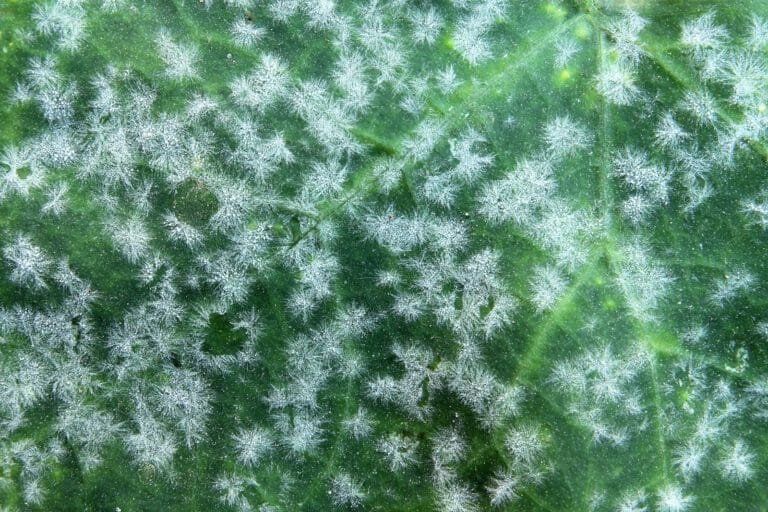
Close-up of a green leaf surface covered with white, fluffy fungal growths, creating a textured pattern.

Powdery Mildew and Fungicides Part 2: Treatment Options

Managing powdery mildew requires effective treatment options ranging from inorganic chemicals to organic solutions. Explore the benefits of potassium bicarbonate, sulfur vaporization, and various oils like neem or coriander. Whether using hydrogen peroxide or milk dilutions, understanding the specific mechanisms behind these fungicides can help you protect your plants from persistent fungal infections efficiently.

Read the article
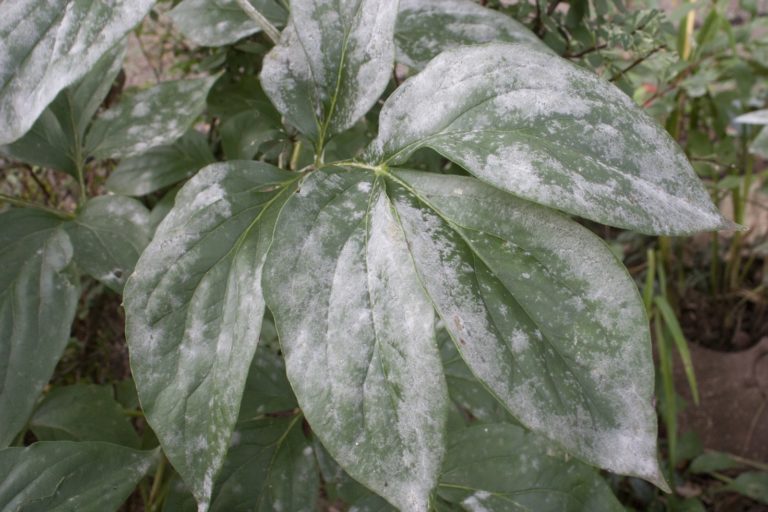
Green leaves covered with a white powdery mildew, surrounded by other foliage in a garden setting.

Powdery Mildew and Fungicides: Part 1: Background

Powdery mildew is a common fungal disease caused by the Erysiphaceae family. As an ectoparasite, this fungus grows on the surface rather than inside plant tissue. While not systemic, it spreads rapidly through spores, stunted growth, and high humidity. Learn the fundamentals of identifying, managing, and preventing this persistent plant pathogen in your garden.

Read the article

To provide the best experiences, we use technologies like cookies to store and/or access device information. Consenting to these technologies will allow us to process data such as browsing behavior or unique IDs on this site. Not consenting or withdrawing consent, may adversely affect certain features and functions.