Agriculture

Page 2

Take control of your environment and say goodbye to mold and the crop losses that come with it.

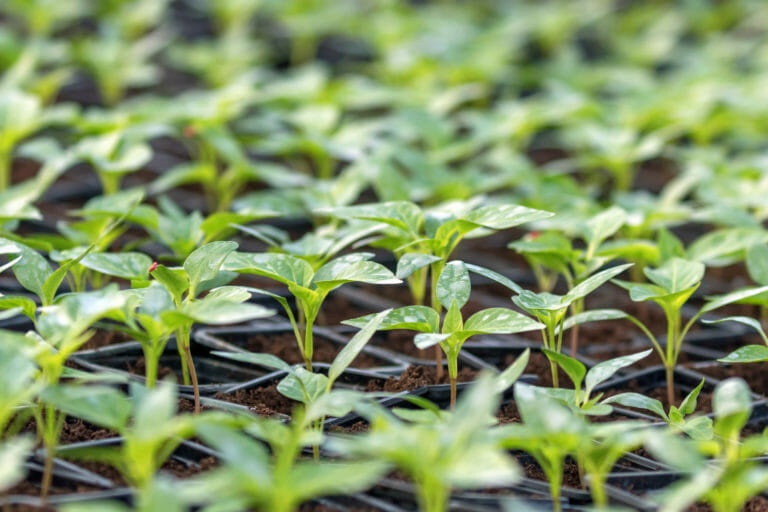
Vibrant green seedlings with glossy leaves growing in black plastic trays filled with soil.

Q&A: Avoiding Powdery Mildew Before it Strikes

Powdery mildew is a common and destructive fungal disease in cannabis growing, but it is entirely avoidable. We sat down with industry expert Melaney Watson to learn why proper dehumidification and environmental control are the most effective ways to prevent an outbreak before your crop faces potential ruin. Start planning for success today.
Read the article
Lush greenery fills a plant nursery, with rows of potted plants lining a blurred pathway.

Smart Humidity Report: 20 tips from expert growers

Mastering the climate in your grow room is essential for a successful harvest. This special report features twenty expert tips gathered from top growers across the U.S. and Canada. Developed in partnership with Quest, these professional insights provide actionable strategies to help you optimize humidity levels and improve your overall crop health starting today.

Read the article
Quest Industry Gardening

Smart Humidity: A Special Report with Cannabis Business Times

Mastering climate control is essential for any successful cultivation operation. Our latest special report, created in partnership with Cannabis Business Times, provides original research, case studies, and actionable tips to help you optimize humidity levels. Access these expert-backed insights today to refine your grow room environment and improve your overall crop quality.

Read the article
Medicine Man

4 Humidity-Control Tips from Medicine Man

Tyler Schneider of Medicine Man shares expert strategies for managing humidity in cannabis cultivation. Beyond simply preventing mold and bud rot, maintaining precise moisture levels is a critical business strategy that helps growers effectively lower energy costs. Learn his top four practical tips for optimizing your facility's climate control and improving your operational bottom line.

Read the article
Dehumidifier preventing bud rot

The Herbal Cure on creating the perfect grow environment

Don Newman from The Herbal Cure reveals his professional secrets for maintaining the perfect grow environment. Featured in the Cannabis Business Times Smart Humidity Special Report, Newman shares expert advice on managing microclimates and monitoring Vapor Pressure Deficit to help you optimize your commercial cultivation operations and achieve better results in your own grow room.

Read the article
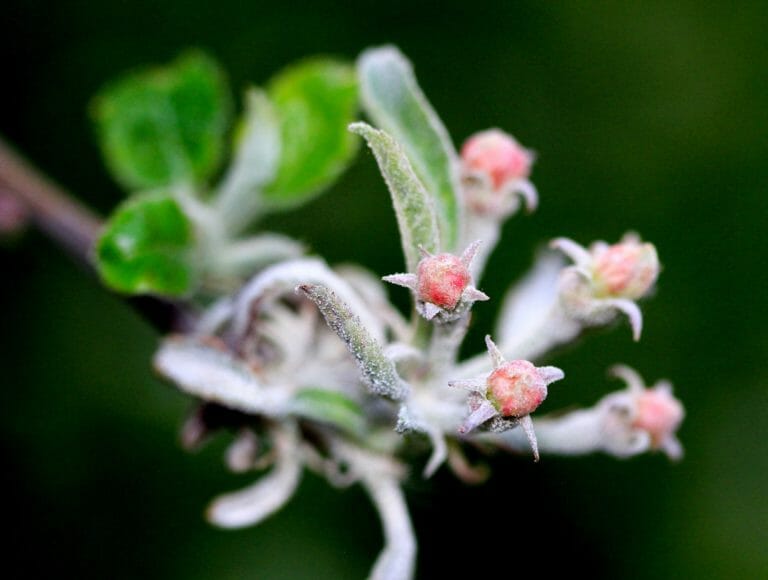
Delicate pink flower buds surrounded by green leaves on a slender branch, set against a dark background.

Powdery Mildew and Fungicides Part 3: Plant Breeding

Explore how plant breeding serves as a long-term strategy for combating powdery mildew. By selecting for genetic resistance, growers can develop plants with reinforced cell walls that deter fungal penetration. This post also dives into the advanced lifecycle of powdery mildew, examining how spores germinate, spread, and evolve to survive your best eradication efforts.

Read the article
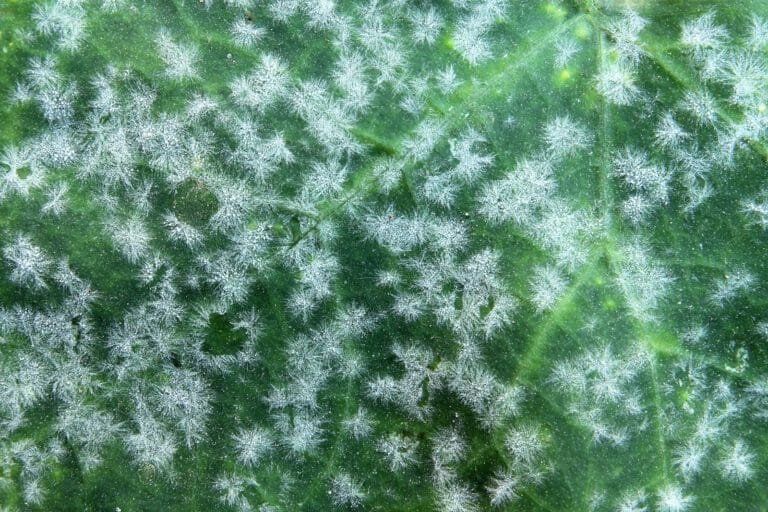
Close-up of a green leaf surface covered with white, fluffy fungal growths, creating a textured pattern.

Powdery Mildew and Fungicides Part 2: Treatment Options

Managing powdery mildew requires effective treatment options ranging from inorganic chemicals to organic solutions. Explore the benefits of potassium bicarbonate, sulfur vaporization, and various oils like neem or coriander. Whether using hydrogen peroxide or milk dilutions, understanding the specific mechanisms behind these fungicides can help you protect your plants from persistent fungal infections efficiently.

Read the article
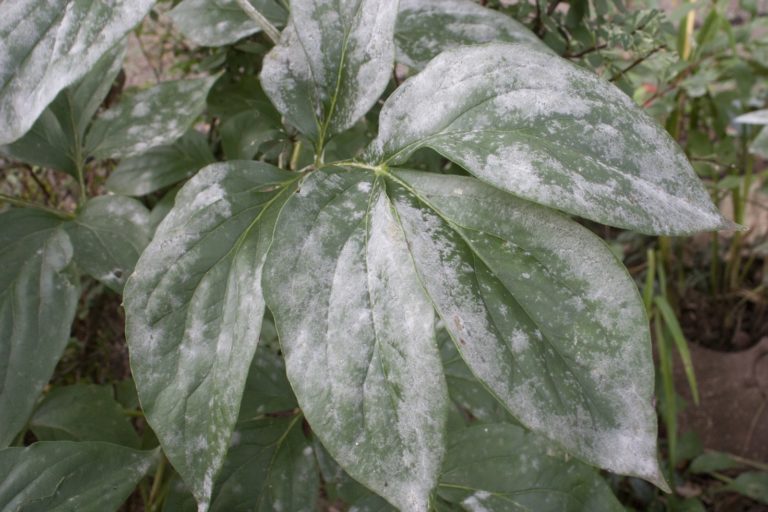
Green leaves covered with a white powdery mildew, surrounded by other foliage in a garden setting.

Powdery Mildew and Fungicides: Part 1: Background

Powdery mildew is a common fungal disease caused by the Erysiphaceae family. As an ectoparasite, this fungus grows on the surface rather than inside plant tissue. While not systemic, it spreads rapidly through spores, stunted growth, and high humidity. Learn the fundamentals of identifying, managing, and preventing this persistent plant pathogen in your garden.

Read the article
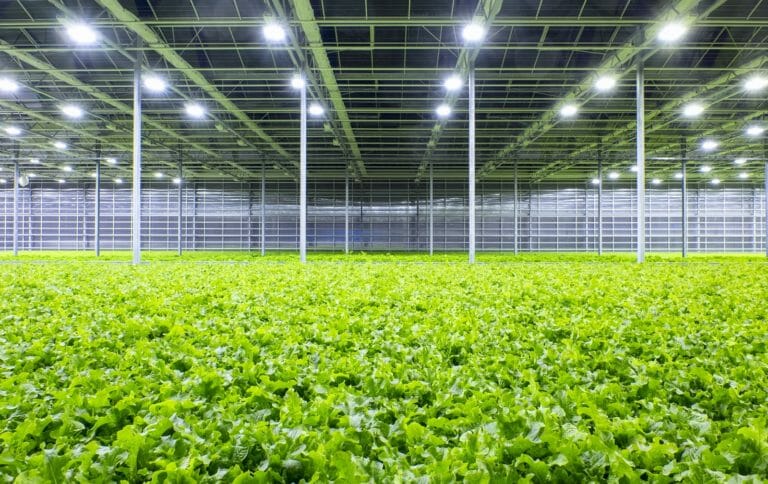
Vibrant green lettuce fills a spacious, well-lit greenhouse with metal beams and large windows.

Vapor Pressure Deficit and Indoor Growing Part 3: Different Stages of VPD

Understanding VPD is essential for fine-tuning your indoor garden. In this third installment, learn how to calculate and maintain optimal vapor pressure deficit levels during both vegetative and flowering growth stages. Discover the precise temperature and humidity combinations intended to reduce plant stress, maximize resin production, and ultimately improve your final crop yields.

Read the article
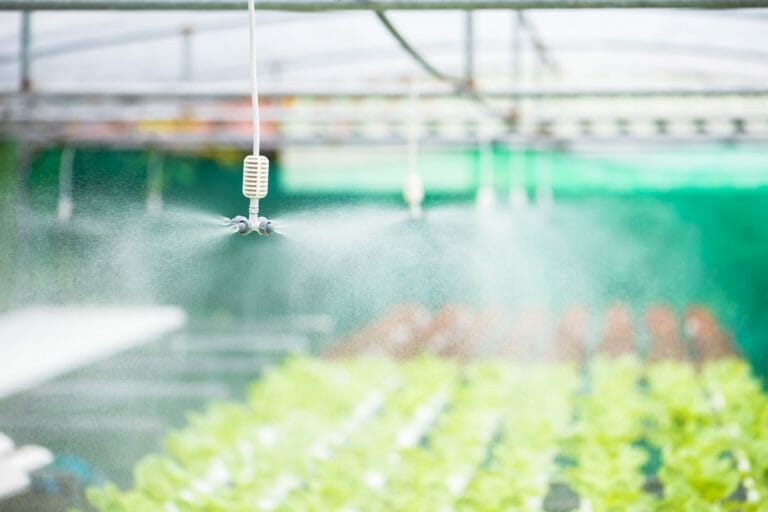
Sprinkler system misting water over rows of vibrant green lettuce in a greenhouse.

Vapor Pressure Deficit and Indoor Growing Part 2: Why is VPD Important?

Understanding Vapor Pressure Deficit is essential for any indoor grower. Proper VPD balances transpiration and photosynthesis by managing how plants move water and carbon dioxide through their stomata. When the air is too dry or too moist, growth slows and plants risk nutrient burns or fungal infections. Learn how to optimize your environment today.

Read the article
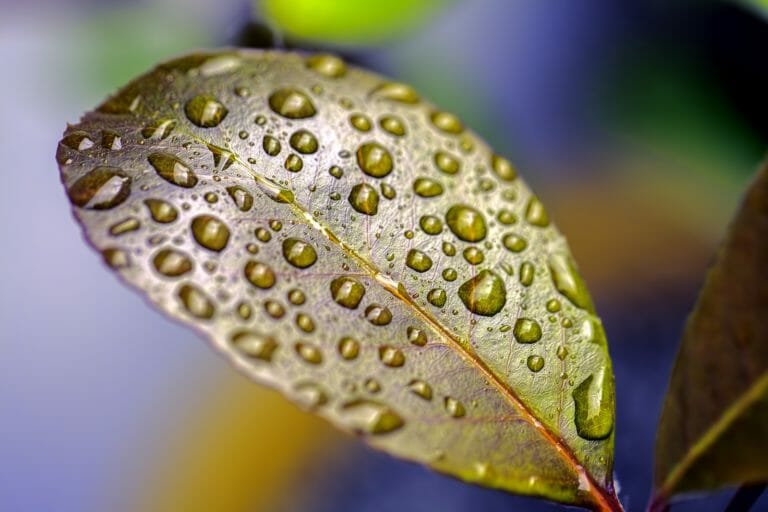
Close-up of a leaf covered in glistening water droplets, showcasing its textured surface and vibrant green hues.

Vapor Pressure Deficit and Indoor Growing Part 1: What is VPD?

Vapor Pressure Deficit is a vital metric for indoor growers, correlating directly to plant transpiration. Unlike relative humidity, which can be misleading, VPD measures the actual pressure difference between the air and the leaf. Understanding this concept allows growers to fine-tune environmental conditions, optimize nutrient transport, and prevent crop wilting effectively.

Read the article
A man in a light blue shirt stands beside a white industrial machine labeled "QUEST" in a busy warehouse setting.

One Way Not to Spray: Keep Dry

Quest Dehumidifiers is launching an educational initiative to help cannabis growers understand the link between humidity control and plant health. By managing moisture levels more effectively, cultivators can prevent devastating molds and fungus, potentially reducing the industry demand for pesticides and ensuring a cleaner, safer final product for consumers in a growing market.

Read the article
Bubbles rise through clear blue water, creating a serene underwater scene with light reflections.

Dissolved Oxygen for Better Growth: Part I: What Is It and Why Do Plants Need It?

Achieving your best harvest starts at the roots. Discover the importance of dissolved oxygen (DO) for your hydroponic plants. Learn how molecular oxygen supports aerobic respiration, essential for nutrient uptake and healthy growth. We explore how water temperature, purity, and proper aeration impact your plants to ensure they thrive rather than suffer from starvation.

Read the article
Fluorescent grow room lights

The Different Grow Room Lights and How You Use Them: Part IV: Fluorescent and LED Lights

In the fourth part of our grow room lighting series, we explore the roles of fluorescent and LED systems. While HID lights remain the industry standard, understanding when to use cost-effective fluorescent tubes or emerging LED technology can help you optimize your setup for seedlings, clones, and small-scale indoor gardening projects throughout their growth cycle.

Read the article
Lighted incandescent light bulb

The Different Grow Room Lights and How You Use Them – Part III: High Pressure Sodium Lights

Discover how High Pressure Sodium lights complement Metal Halide bulbs to create the perfect growing environment. Learn why the HPS spectrum is essential for the flowering and fruiting stages, how these efficient lights work, and why they remain an industry standard for achieving robust plant growth and maximizing your harvest yields throughout the seasons.

Read the article
Metal Halide Grow Room Lights

The Different Grow Room Lights and How You Use Them – Part II: Metal Halide Lights

Discover the benefits of Metal Halide lights for your indoor garden. As part of our HID lighting series, we explore how these powerful bulbs emulate summer sunlight to encourage robust vegetative growth. Learn why MH lights remain an industry standard for efficiency, intensity, and proven results in your overall grow room light setup today.

Read the article
Sunlight breaks through dark clouds, illuminating a calm lake and a distant shoreline.

The Different Grow Room Lights and How You Use Them- Part I: An Overview

Successful indoor growing requires lighting that effectively mimics natural sunlight cycles. In this introductory guide, we explore the essential light types used by professionals, ranging from popular High Intensity Discharge and dual spectrum lights to fluorescents and LEDs. Learn how to choose the right light to maximize your plant growth and harvest yields.

Read the article
humidity condensing on a leaf

Water Vapor in Grow Rooms: Moisture, and How to Measure It – Part I: Relative Humidity

Plants require specific humidity levels to thrive during every stage of growth. In this guide, we define relative humidity, explain why temperature impacts moisture levels, and outline the optimal percentages for your grow room. Learn how monitoring this vital metric can help you avoid plant stress, prevent powdery mildew, and maximize your overall harvest yields.

Read the article
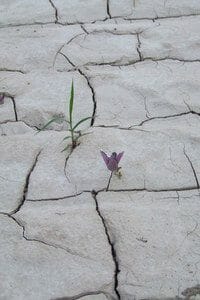
drought

Maintaining Grow Room Yields During Drought: Part III

In the third installment of our drought series, we explore how to harvest dehumidifier condensate for your grow room. By following simple maintenance best practices, like consistent filter cleaning and testing, you can tap into a sustainable and free water source while ensuring your plants thrive even when external water supplies are limited.

Read the article
drought

Maintaining Grow Room Yields During Drought: Part II

Discover how your grow room dehumidifier can become a sustainable water source during drought conditions. By reclaiming condensate, growers can generate clean, renewable water that often surpasses reverse osmosis quality. Learn how these systems work, why the water is safe for your plants, and how to maximize your yields while conserving precious resources.

Read the article
drought

Maintaining Grow Room Yields During Drought: Part I

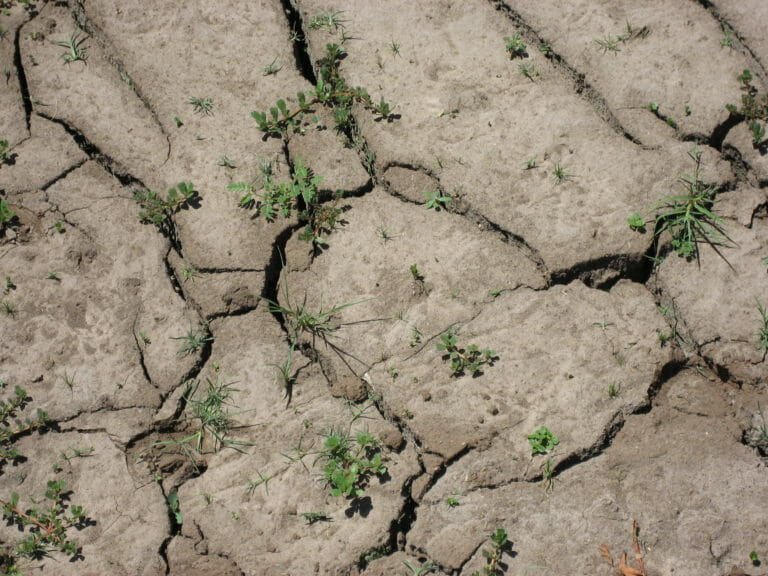
Drought conditions and water restrictions are impacting grow room profitability across the country. However, limited water supply does not have to mean lower yields. In this post, we explore how managing grow room lights, CO2 supplementation, and dehumidification can help you reduce overall water consumption while maintaining high-quality crop production despite scarce water resources.

Read the article
Two men speak into microphones, surrounded by cannabis plants and grow equipment in a well-lit indoor setting.

Dude Grows Podcast with Quest

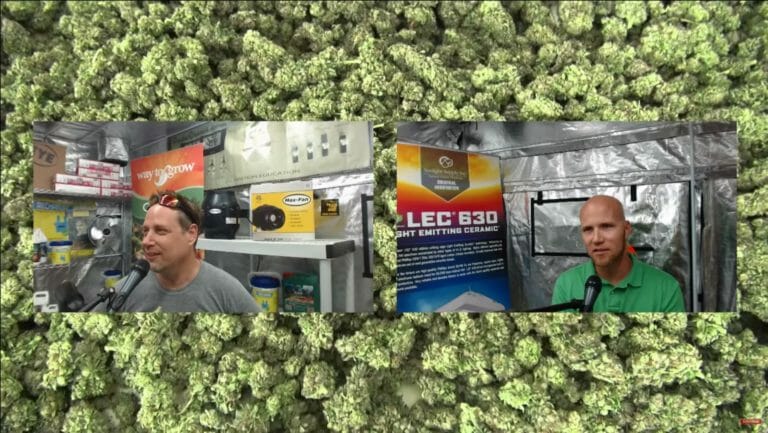
Are you using residential dehumidifiers in your grow room? QUEST product manager Clif Tomasini joins the Dude Grows Show to explain why specialized equipment is essential for plant health. Learn about the importance of dehumidifier durability, proper sizing for transpiration rates, and why redundancy is the secret to protecting your crop from pests and mildew.

Read the article
Lush green lettuce rows under bright fluorescent lights, reflecting in a shiny surface above.

Carbon Dioxide and Better Indoor Harvests: Part 3

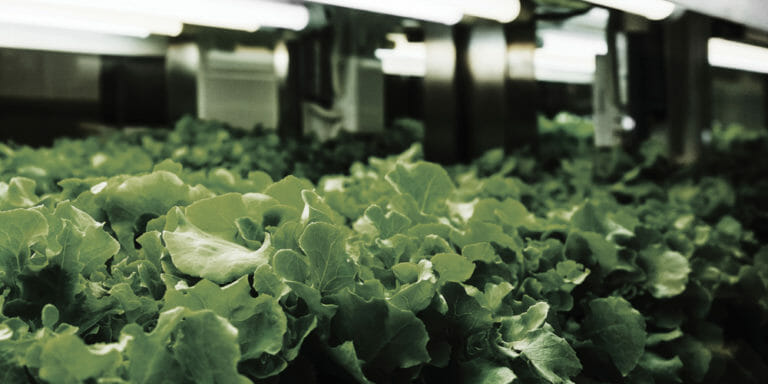
In our final installment on indoor CO2 supplementation, we examine why plants need oxygen, not carbon dioxide, during their nighttime respiration cycle. Learn why interrupting darkness stunts growth, why energy digestion is vital for flowering, and how to use dehumidifiers to maintain the perfect grow room environment for your most successful harvest yet.

Read the article
quest-iq-series-equipment

Carbon Dioxide and Better Indoor Harvests – Part 2

Carbon dioxide serves as a vital nutrient that drives photosynthesis and significantly boosts indoor crop yields. By maintaining optimal CO2 levels during daylight hours, growers can accelerate plant development and increase production by up to 40 percent. Learn how to properly manage CO2 enrichment and balance environmental factors to ensure your plants thrive throughout their growth cycle.

Read the article

To provide the best experiences, we use technologies like cookies to store and/or access device information. Consenting to these technologies will allow us to process data such as browsing behavior or unique IDs on this site. Not consenting or withdrawing consent, may adversely affect certain features and functions.