powdery mildew

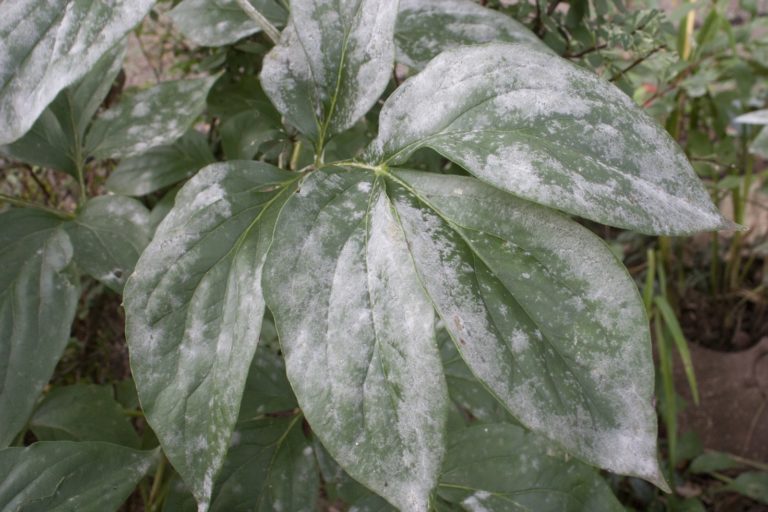
Green leaves covered with a white powdery mildew, surrounded by other foliage in a garden setting.

Powdery Mildew and Fungicides: Part 1: Background

Powdery mildew is a common fungal disease caused by the Erysiphaceae family. As an ectoparasite, this fungus grows on the surface rather than inside plant tissue. While not systemic, it spreads rapidly through spores, stunted growth, and high humidity. Learn the fundamentals of identifying, managing, and preventing this persistent plant pathogen in your garden.
Read the article

Control Humidity to Best Fight Powdery Mildew

Powdery mildew thrives in high moisture environments, posing a major threat to crops. Instead of relying on pesticides, focus on environmental control. By maintaining relative humidity at 50 percent or lower, you can prevent mold at the source. Properly sizing a commercial-grade dehumidifier to match your plant transpiration rates is the most effective defense.

Read the article
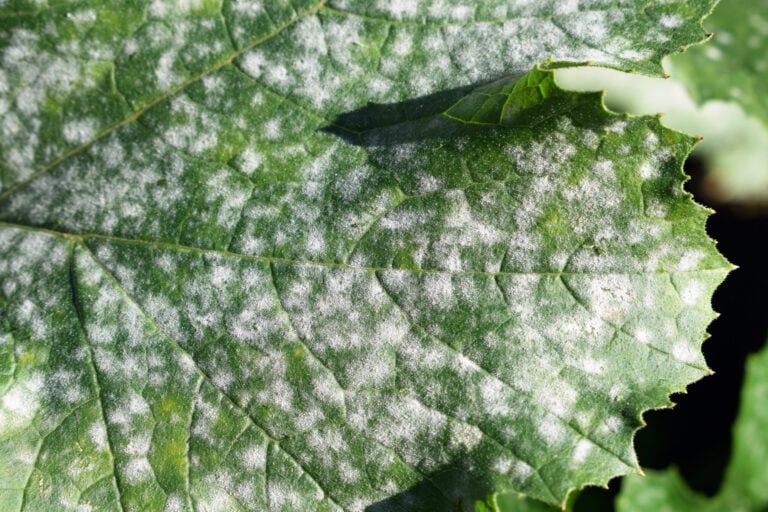
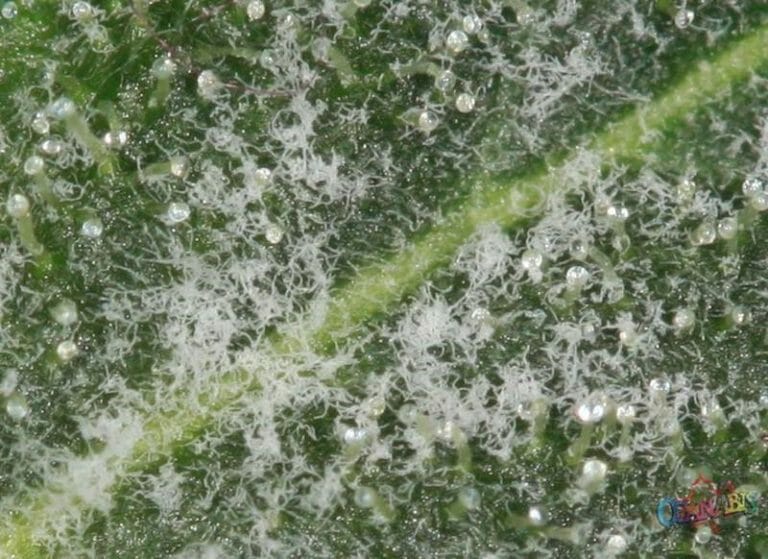
Close-up of a green leaf covered in tiny, white, thread-like structures and droplets of moisture.

The Scourge of Powdery Mildew: Prevention Is Best

Powdery mildew is a gardener's nightmare that is difficult to eradicate once established. The most effective way to protect your harvest is through proactive prevention. By controlling your grow room humidity, ensuring proper air filtration, and managing your plant spacing, you can maintain a clean environment and stop fungal spores before they begin to spread.

Read the article
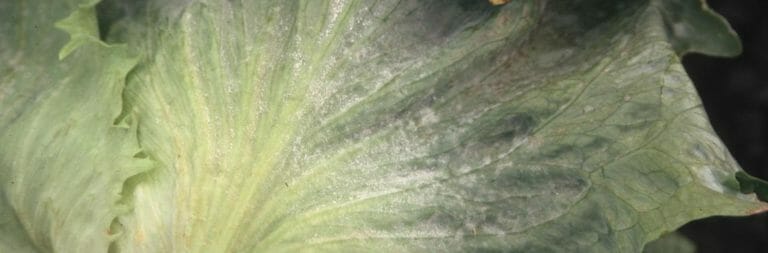
Close-up of a green cabbage leaf showing texture, veins, and a light dusting of powdery mildew.

The Scourge of Powdery Mildew: How Do You Treat It Once It’s Occurred?

Discover effective ways to combat powdery mildew in your garden once it appears. From natural solutions like hydrogen peroxide and milk to the importance of environmental control, learn how to manage and prevent WPM infections. While some treatments show promise, maintaining proper relative humidity remains the most reliable strategy for protecting your valuable crops.

Read the article
Close-up of a green leaf covered in tiny, white, thread-like structures and droplets of moisture.

The Scourge of Powdery Mildew: An Overview

Have you noticed mysterious white spots on your plants? This could be powdery mildew, a persistent fungal infection that thrives on leaves and stems. Learn how this condition starts, spreads through airborne spores, and eventually stunts growth. Explore the basics of this common horticultural threat and prepare for our upcoming series on effective treatment and prevention.

Read the article
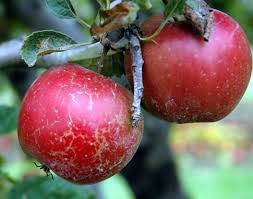
Two bright red apples hanging from a tree branch, surrounded by green leaves.

Look For Powdery Mildew

Powdery mildew thrives in cool, humid environments with poor air circulation. Overcrowding, shading, and improper watering techniques often create the perfect conditions for fungal growth. By controlling nighttime humidity levels and improving airflow, gardeners can prevent these infections. Learn how to manage the environment and protect your plants from this persistent garden disease today.

Read the article
Botrytis

The Dangers of Mold

Mold spores are impossible to eliminate entirely, but controlling moisture is the most effective way to prevent growth. Experts highlight the serious health risks associated with black mold and common agricultural fungi like botrytis. To protect your indoor environment or crops from these dangerous conditions, implementing proper dehumidification strategies is essential for effective control.

Read the article

To provide the best experiences, we use technologies like cookies to store and/or access device information. Consenting to these technologies will allow us to process data such as browsing behavior or unique IDs on this site. Not consenting or withdrawing consent, may adversely affect certain features and functions.